

In a multi - machine production line, ensuring the feeding safety of a Servo Feeder Machine is of utmost importance. As a supplier of Servo Feeder Machines, I have witnessed firsthand the challenges and potential risks associated with feeding operations in such complex setups. In this blog, I will share some key strategies and considerations to guarantee the feeding safety of our Servo Feeder Machines in multi - machine production lines.
Understanding the Multi - Machine Production Line Environment
Before delving into the safety measures, it is essential to understand the unique characteristics of a multi - machine production line. In such a setup, multiple machines work in tandem, with the Servo Feeder Machine being a crucial component responsible for accurately and consistently feeding materials to other processing equipment. The interaction between different machines can introduce various risks, such as mechanical interference, electrical malfunctions, and improper material handling.
The production line may involve high - speed operations, heavy machinery, and complex control systems. Any disruption in the feeding process of the Servo Feeder Machine can lead to production delays, quality issues, and even safety hazards for the operators. Therefore, a comprehensive approach to safety is required.
Machine Design and Installation
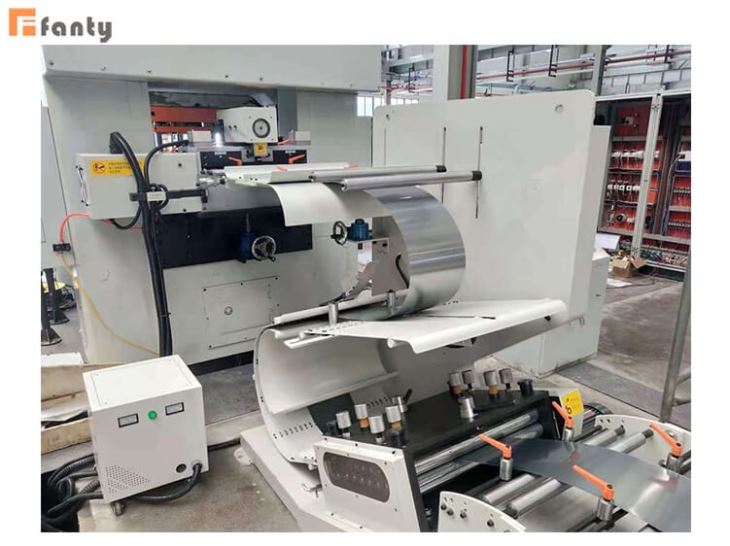
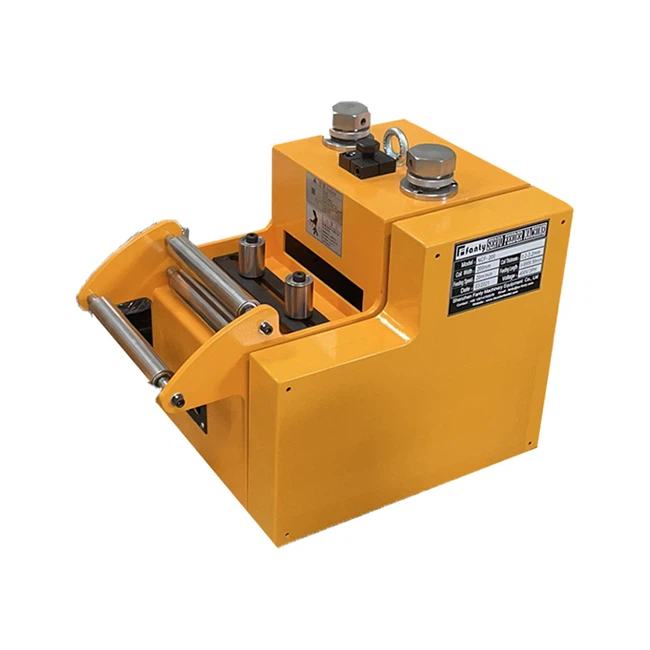
The design and installation of the Servo Feeder Machine play a vital role in ensuring feeding safety. Our company offers a range of high - quality Servo Feeder Machines, such as the Fast Servo Roll Feed For Metal Sheets and the NCF Servo Press Feeder Driven By Servo Motor. These machines are designed with safety in mind from the ground up.
During the design phase, we incorporate features such as safety guards and enclosures to prevent operators from coming into contact with moving parts. The guards are made of durable materials and are designed to withstand the rigors of the production environment. They are also easily removable for maintenance purposes, but only after proper safety procedures are followed.
Proper installation is equally important. The Servo Feeder Machine should be installed on a stable and level surface to prevent vibrations and ensure accurate feeding. The electrical connections must be made correctly, following all relevant electrical codes and standards. Grounding is essential to protect against electrical shocks. Additionally, the machine should be aligned properly with other machines in the production line to avoid any mechanical interference.
Operator Training
Well - trained operators are the first line of defense in ensuring feeding safety. We provide comprehensive training programs for operators who will be using our Servo Feeder Machines. The training covers all aspects of the machine's operation, including startup, shutdown, adjustment, and maintenance.
Operators are taught how to recognize potential safety hazards, such as loose belts, worn - out parts, or abnormal noises. They are also trained on the proper use of personal protective equipment (PPE), such as safety glasses, gloves, and earplugs. In a multi - machine production line, operators need to be aware of the overall production process and how their actions on the Servo Feeder Machine can affect other machines.
Regular refresher courses are also offered to keep operators up - to - date with the latest safety procedures and any changes in the machine's operation. By investing in operator training, we can significantly reduce the risk of accidents and ensure the safe and efficient operation of the Servo Feeder Machine.
Material Handling and Inspection
The materials being fed into the Servo Feeder Machine can also pose safety risks. Before loading the materials, they should be inspected for any defects, such as sharp edges, foreign objects, or excessive moisture. If the materials are not suitable for the feeding process, they can cause damage to the machine or even lead to accidents.
Proper material handling procedures should be established. For example, the materials should be loaded and unloaded in a controlled manner to prevent them from falling or shifting. The feeding path should be clear of any obstacles to ensure smooth and continuous feeding. Our Mechanical Or Pneumatic Release Way Servo Feeder is designed to handle a variety of materials, but it is still important to follow the recommended handling guidelines.
Monitoring and Maintenance
Continuous monitoring of the Servo Feeder Machine is essential to detect any potential safety issues early. We recommend installing sensors and monitoring devices on the machine to track parameters such as speed, torque, and temperature. These sensors can provide real - time data, which can be analyzed to identify any abnormal trends or malfunctions.
Regular maintenance is also crucial. The machine should be inspected and serviced at regular intervals to ensure that all components are in good working condition. This includes checking the belts, bearings, gears, and electrical components. Any worn - out or damaged parts should be replaced immediately.
In a multi - machine production line, it is also important to coordinate maintenance activities with other machines. This can help minimize production downtime and ensure that the entire production line operates smoothly.
Safety Interlocks and Emergency Stop Systems
Safety interlocks are an important safety feature in Servo Feeder Machines. These interlocks are designed to prevent the machine from operating if certain conditions are not met. For example, the machine may be interlocked with other machines in the production line so that it cannot start if another machine is not in the correct position or state.
Emergency stop systems are also essential. These systems allow operators to quickly stop the machine in case of an emergency. The emergency stop buttons should be easily accessible and clearly marked. They should be tested regularly to ensure that they are functioning properly.
Risk Assessment and Management
A comprehensive risk assessment should be conducted for the Servo Feeder Machine in the multi - machine production line. This assessment should identify all potential hazards and evaluate the likelihood and severity of each hazard. Based on the risk assessment, appropriate control measures can be implemented to reduce the risks to an acceptable level.
Risk management is an ongoing process. As the production line evolves, new hazards may emerge, and existing control measures may need to be updated. Regular reviews of the risk assessment and control measures are necessary to ensure that the feeding safety of the Servo Feeder Machine is maintained.
Conclusion
Ensuring the feeding safety of a Servo Feeder Machine in a multi - machine production line requires a multi - faceted approach. From machine design and installation to operator training, material handling, monitoring, and risk management, every aspect plays a crucial role.
At our company, we are committed to providing high - quality Servo Feeder Machines and comprehensive support to our customers. Our machines, such as the Fast Servo Roll Feed For Metal Sheets, NCF Servo Press Feeder Driven By Servo Motor, and Mechanical Or Pneumatic Release Way Servo Feeder, are designed with safety as a top priority.
If you are interested in learning more about our Servo Feeder Machines or have any questions regarding feeding safety in your multi - machine production line, we encourage you to contact us for a detailed discussion. Our team of experts is ready to assist you in finding the best solutions for your specific needs.
References
- "Industrial Machine Safety Standards," International Organization for Standardization (ISO).
- "Safe Operation of Servo Feeder Machines," Industry Best Practices Guide.
- "Operator Training Manual for Servo Feeder Machines," Company - specific Documentation.


