

Hey there! As a supplier of Reel Straighteners, I often get asked about the noise levels of these machines during operation. It's a valid concern, especially for those who are looking to set up a production line or work in an environment where noise can be a nuisance. In this blog post, I'll dive into the factors that affect the noise levels of a Reel Straightener, typical noise levels you can expect, and some tips on how to manage noise.
Factors Affecting Noise Levels
First off, let's talk about what makes a Reel Straightener noisy. There are several key factors that contribute to the noise generated during operation.
Mechanical Components
The mechanical parts of a Reel Straightener play a huge role in noise production. For example, the gears and bearings inside the machine can create a significant amount of noise as they move and interact with each other. When the gears mesh together, there's a certain amount of friction and vibration, which translates into sound waves. Worn - out gears or bearings can make this noise even louder. If the bearings are not properly lubricated, they can start to squeak or grind, adding to the overall noise level.
Motor Operation
The motor is another major source of noise. Most Reel Straighteners are powered by electric motors, and these motors can generate a humming or buzzing sound. The speed at which the motor runs also affects the noise level. A high - speed motor will generally produce more noise than a low - speed one. Additionally, if the motor is not well - balanced or is experiencing electrical issues, it can create abnormal noises.
Material Processing
The type of material being processed by the Reel Straightener can also influence the noise. When thick or hard materials pass through the straightening rollers, there's more resistance, which can lead to louder noises. For instance, straightening thick steel plates will likely be noisier than working with thin aluminum sheets. The surface condition of the material matters too. If the material has a rough surface, it can cause more vibration and noise as it moves through the machine.
Typical Noise Levels
So, what kind of noise levels can you expect from a Reel Straightener? Well, it really depends on the size, type, and operating conditions of the machine.
On average, a small - to - medium - sized Reel Straightener might produce noise levels in the range of 70 - 80 decibels (dB) during normal operation. This is about as loud as a busy office or a vacuum cleaner. However, larger and more powerful Reel Straighteners, especially those designed for heavy - duty applications, can generate noise levels upwards of 90 dB. At 90 dB, it's comparable to the noise of a lawnmower, and prolonged exposure to this level of noise can start to cause hearing damage.
It's important to note that these are just general estimates. The actual noise levels can vary based on the factors we discussed earlier, such as the condition of the mechanical components and the type of material being processed.
Measuring Noise Levels
If you're concerned about the noise levels of a Reel Straightener, you can measure them using a sound level meter. These meters are relatively inexpensive and easy to use. Simply place the meter at a specific distance from the machine (usually about 1 meter away) and turn on the Reel Straightener. The meter will then display the noise level in decibels.
It's a good idea to take multiple measurements at different points around the machine to get a more accurate picture of the noise distribution. You should also measure the noise levels at different operating speeds and with different materials to see how they affect the sound output.
Managing Noise
Now that we know what causes the noise and what levels to expect, let's talk about how to manage it.
Maintenance
Regular maintenance is crucial for keeping the noise levels of a Reel Straightener in check. This includes lubricating the gears and bearings, checking for loose parts, and replacing worn - out components. By ensuring that all the mechanical parts are in good condition, you can reduce the amount of friction and vibration, which in turn will lower the noise level.
Soundproofing
Another way to manage noise is through soundproofing. You can install sound - absorbing materials around the Reel Straightener, such as acoustic panels or blankets. These materials work by absorbing the sound waves and preventing them from bouncing around the room. You can also build an enclosure around the machine to contain the noise. However, make sure that the enclosure doesn't interfere with the machine's ventilation or access for maintenance.
Operator Protection
Even with the best noise - reduction measures in place, there might still be some noise present. That's why it's important to provide operators with proper hearing protection. Earplugs or earmuffs can significantly reduce the amount of noise that reaches the operator's ears, protecting their hearing in the long run.
Our Reel Straightener Offerings
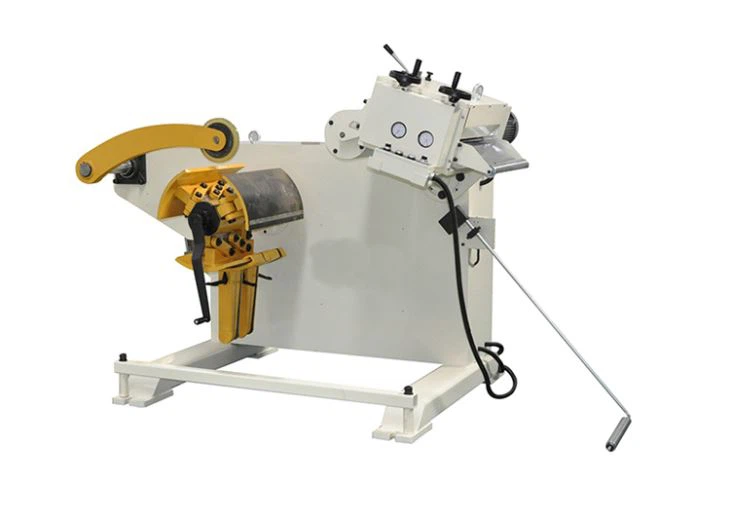
As a supplier, we offer a range of Reel Straighteners to meet different customer needs. Our Thick Plate UNCoiler Leveler Machine is designed for heavy - duty applications, capable of handling thick plates with ease. It's built with high - quality components to ensure reliable operation and relatively low noise levels, considering its power.
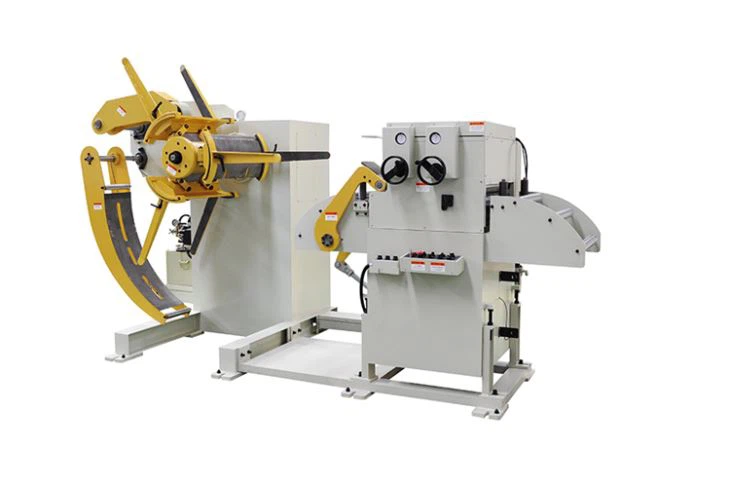
We also have the UNCoiler Machine and Straightener Machine, which is a great option for those who need a separate uncoiling and straightening function. This machine is engineered to be efficient and quiet during operation.
And for those looking for a more integrated solution, our Combination Coil Reel Straightener combines the functions of a coil reel and a straightener. It's designed with noise - reduction features to provide a more comfortable working environment.
Contact Us for Purchase and Consultation
If you're in the market for a Reel Straightener and want to learn more about our products, especially in terms of noise levels and how they can fit into your production environment, don't hesitate to reach out. We're here to answer all your questions and help you make the right choice for your business. Whether you need a small - scale machine for a workshop or a large - scale one for an industrial production line, we've got you covered.
References
- Machinery Noise and Vibration Handbook
- Industrial Noise Control and Acoustics by Clarence W. deSilva


