

In the manufacturing industry, servo feeder machines play a crucial role in ensuring the efficient and precise feeding of materials, such as metal sheets and coils, into various processing equipment. One of the key aspects of optimizing the performance of a servo feeder machine is the effective control of tension. In this blog post, we will explore the tension control methods in a servo feeder machine, sharing insights from our experience as a servo feeder machine supplier.
Understanding the Importance of Tension Control
Before delving into the tension control methods, it's essential to understand why tension control is so important in a servo feeder machine. Proper tension control ensures the smooth and accurate feeding of materials. If the tension is too high, it can cause material stretching, which may lead to deformation and dimensional inaccuracies in the final product. On the other hand, if the tension is too low, the material may slacken, resulting in misfeeding, jams, and inconsistent feeding lengths. Therefore, maintaining the right tension is vital for achieving high-quality production and maximizing the efficiency of the manufacturing process.
Types of Tension Control Methods
1. Mechanical Tension Control
Mechanical tension control is one of the traditional methods used in servo feeder machines. This method typically involves the use of mechanical components such as brakes, clutches, and springs to regulate the tension. For example, a friction brake can be applied to the material roll to create resistance, thereby controlling the tension. The advantage of mechanical tension control is its simplicity and cost - effectiveness. It is relatively easy to install and maintain, making it a popular choice for some basic servo feeder applications. However, mechanical tension control has its limitations. It may not be able to provide precise and consistent tension control, especially when dealing with high - speed or variable - speed feeding operations. The performance of mechanical components can also be affected by wear and tear over time, leading to a decrease in tension control accuracy.
2. Electrical Tension Control
Electrical tension control methods have become increasingly popular in modern servo feeder machines due to their ability to provide more precise and flexible tension control. There are several types of electrical tension control systems, including:
a. Torque - Controlled Motors
In this system, the servo motor is controlled to generate a specific torque, which is directly related to the tension in the material. By adjusting the motor torque, the tension can be accurately regulated. For example, if the material tension needs to be increased, the motor torque can be increased accordingly. Torque - controlled motors offer high - precision tension control and can adapt to different feeding speeds and material properties. They are particularly suitable for applications that require strict tension accuracy, such as the production of thin - gauge metal sheets.
b. Load Cell - Based Systems
Load cells are sensors that can measure the force or tension in the material. In a servo feeder machine, load cells are installed at strategic points along the material path. The measured tension data is then sent to the control system, which can adjust the feeding parameters, such as the motor speed or torque, to maintain the desired tension. Load cell - based systems provide real - time feedback and can compensate for any changes in tension caused by factors such as material thickness variations or feeding speed fluctuations. This ensures consistent and accurate tension control throughout the feeding process.
3. Pneumatic Tension Control
Pneumatic tension control uses compressed air to regulate the tension in the material. Pneumatic cylinders or brakes are used to apply a controlled force to the material, thereby controlling the tension. The advantage of pneumatic tension control is its fast response time and the ability to handle high - tension applications. It can also provide a relatively constant tension over a wide range of feeding speeds. However, pneumatic systems require a reliable source of compressed air and may be more complex to install and maintain compared to mechanical systems.
Our Offerings in Tension - Controlled Servo Feeder Machines
As a leading servo feeder machine supplier, we offer a range of servo feeder machines equipped with advanced tension control systems. Our NCF Servo Press Feeder Driven By Servo Motor features a state - of - the - art torque - controlled servo motor system, which provides precise and consistent tension control for high - speed press feeding applications. The motor can be easily programmed to adjust the tension according to the specific requirements of the production process, ensuring accurate and efficient feeding of metal coils.
Our Fast Servo Roll Feed For Metal Sheets is designed with a load cell - based tension control system. The load cells continuously monitor the tension in the metal sheets during the feeding process, and the control system makes real - time adjustments to maintain the optimal tension. This ensures that the metal sheets are fed smoothly and accurately, even at high feeding speeds.
In addition, our NC Servo Roll Feeder combines the advantages of both electrical and mechanical tension control methods. It offers a high - level of flexibility and precision, making it suitable for a wide range of metal processing applications.
Factors Affecting Tension Control
When implementing tension control in a servo feeder machine, several factors need to be considered:
1. Material Properties
Different materials have different mechanical properties, such as elasticity, stiffness, and friction coefficient. These properties can significantly affect the tension required for smooth feeding. For example, a more elastic material may require a lower tension to prevent stretching, while a stiffer material may need a higher tension to ensure proper feeding. Understanding the material properties is essential for selecting the appropriate tension control method and setting the correct tension parameters.
2. Feeding Speed
The feeding speed of the servo feeder machine also has an impact on tension control. As the feeding speed increases, the inertia of the material and the dynamic forces acting on it also change. Therefore, the tension control system needs to be able to adapt to different feeding speeds to maintain consistent tension. High - speed feeding operations may require more advanced tension control methods, such as electrical or pneumatic systems, to ensure accurate tension regulation.
3. Machine Design and Configuration
The design and configuration of the servo feeder machine, including the layout of the material path, the type of drive system, and the presence of guide rollers, can affect the tension distribution in the material. A well - designed machine with proper guide rollers and a smooth material path can help to reduce friction and ensure more uniform tension. Additionally, the integration of the tension control system with the overall machine control system is crucial for achieving optimal performance.
Conclusion
Effective tension control is a critical factor in the performance of a servo feeder machine. By understanding the different types of tension control methods, their advantages and limitations, and the factors that affect tension control, manufacturers can make informed decisions when selecting and operating servo feeder machines. As a servo feeder machine supplier, we are committed to providing high - quality machines with advanced tension control systems to meet the diverse needs of our customers.
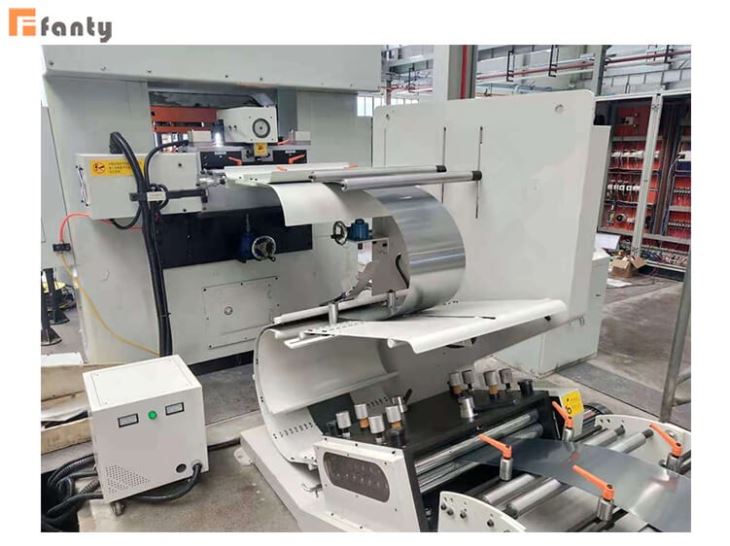

If you are interested in our servo feeder machines or have any questions about tension control in servo feeder machines, we invite you to contact us for a detailed discussion. Our team of experts is ready to assist you in finding the best solution for your manufacturing requirements.
References
- "Servo Feeder Technology and Applications" by Industrial Press Inc.
- "Advanced Tension Control in Material Handling Systems" by Elsevier.
- Technical documentation from leading servo motor and tension control system manufacturers.


