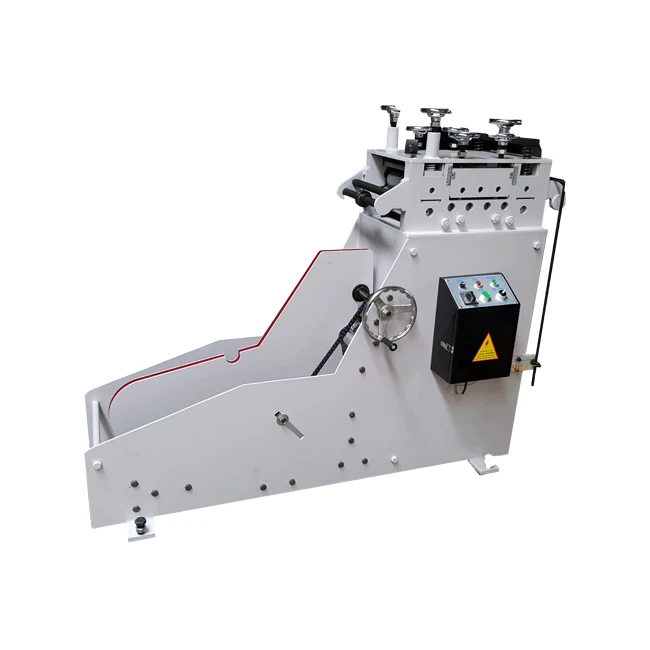
In the dynamic landscape of industrial manufacturing, the ceramic industry stands as a testament to innovation and precision. With the continuous evolution of production techniques, the integration of advanced machinery has become imperative to meet the growing demands for quality and efficiency. One such machine that has garnered significant attention is the pneumatic feeder machine. As a leading supplier of pneumatic feeder machines, I am often asked whether these machines can be effectively used in a ceramic industry production line. In this blog post, I will delve into the intricacies of pneumatic feeder machines and explore their potential applications in the ceramic industry.
Understanding Pneumatic Feeder Machines
Pneumatic feeder machines are a type of automated equipment that use compressed air to feed materials into a production process. They are designed to provide a consistent and reliable flow of materials, ensuring accurate and efficient production. These machines are commonly used in a variety of industries, including automotive, electronics, and packaging, due to their versatility and ease of use.
There are several types of pneumatic feeder machines available on the market, each with its own unique features and capabilities. Some of the most common types include the Presion Pneumatic Feeding Machine, the Air Feeder Machine with Solenoid Valve, and the Automatic Air Feeder Machine. These machines can be customized to meet the specific needs of different industries and applications, making them a popular choice for manufacturers looking to improve their production processes.
The Ceramic Industry: A Unique Production Environment
The ceramic industry is known for its complex and precise production processes. From raw material preparation to final product finishing, every step requires careful attention to detail to ensure the quality and consistency of the end product. The production of ceramics involves the use of various materials, including clay, feldspar, and quartz, which need to be accurately measured and fed into the production line.
One of the key challenges in the ceramic industry is the handling of fine powders and granules. These materials can be difficult to handle due to their small particle size and tendency to agglomerate. Additionally, the production environment in the ceramic industry is often dusty and abrasive, which can pose a challenge to the operation of machinery.
Advantages of Using Pneumatic Feeder Machines in the Ceramic Industry
Despite the challenges, pneumatic feeder machines offer several advantages that make them well-suited for use in the ceramic industry production line.
1. Precise Material Feeding
Pneumatic feeder machines are capable of providing precise and consistent material feeding, which is essential for the production of high-quality ceramics. These machines can be programmed to dispense a specific amount of material at a given time, ensuring accurate mixing and processing. This precision helps to reduce waste and improve the overall efficiency of the production process.
2. Dust-Free Operation
The use of compressed air in pneumatic feeder machines helps to create a dust-free environment, which is crucial in the ceramic industry. Dust can contaminate the raw materials and affect the quality of the final product. Pneumatic feeder machines can be equipped with dust collection systems to capture any dust generated during the feeding process, ensuring a clean and safe working environment.
3. Easy Maintenance
Pneumatic feeder machines are relatively simple in design and require minimal maintenance. They have fewer moving parts compared to other types of feeder machines, which reduces the risk of breakdowns and downtime. Additionally, the use of compressed air as the power source eliminates the need for complex electrical systems, making the machines easier to operate and maintain.
4. Versatility
Pneumatic feeder machines can be used to feed a wide range of materials, including powders, granules, and small parts. This versatility makes them suitable for use in various stages of the ceramic production line, from raw material feeding to glaze application.
Potential Applications of Pneumatic Feeder Machines in the Ceramic Industry
Pneumatic feeder machines can be used in several applications in the ceramic industry production line.
1. Raw Material Feeding
In the initial stages of ceramic production, pneumatic feeder machines can be used to accurately feed raw materials such as clay, feldspar, and quartz into the mixing process. These machines can ensure a consistent flow of materials, which is essential for achieving the desired chemical composition and physical properties of the ceramic body.


2. Glaze Application
Glaze is an important component of ceramic products, as it provides a protective and decorative coating. Pneumatic feeder machines can be used to precisely dispense glaze materials onto the ceramic surface, ensuring a uniform and smooth finish.
3. Powder Coating
Some ceramic products require a powder coating for enhanced durability and aesthetics. Pneumatic feeder machines can be used to feed powder coating materials onto the ceramic parts, providing a consistent and even coating.
Challenges and Considerations
While pneumatic feeder machines offer several advantages for use in the ceramic industry, there are also some challenges and considerations that need to be taken into account.
1. Material Compatibility
Not all materials are suitable for pneumatic feeding. Some materials may be too sticky or cohesive, which can cause blockages in the feeder system. It is important to carefully select the appropriate type of pneumatic feeder machine and ensure that it is compatible with the materials being fed.
2. Pressure and Flow Control
Proper pressure and flow control are essential for the efficient operation of pneumatic feeder machines. Incorrect pressure or flow settings can result in inconsistent material feeding or even damage to the machine. It is important to calibrate the machine accurately and monitor the pressure and flow during operation.
3. Cost
Pneumatic feeder machines can be relatively expensive compared to other types of feeder machines. However, the long-term benefits of improved efficiency, reduced waste, and lower maintenance costs can outweigh the initial investment.
Conclusion
In conclusion, pneumatic feeder machines have the potential to play a significant role in the ceramic industry production line. Their precise material feeding, dust-free operation, easy maintenance, and versatility make them well-suited for the unique challenges of the ceramic industry. While there are some challenges and considerations to be aware of, the benefits of using pneumatic feeder machines far outweigh the drawbacks.
If you are in the ceramic industry and are looking to improve the efficiency and quality of your production process, I encourage you to consider incorporating a pneumatic feeder machine into your production line. As a supplier of pneumatic feeder machines, I am committed to providing high-quality products and excellent customer service. We can work with you to understand your specific needs and recommend the most suitable machine for your application. Contact us today to start a discussion about how our pneumatic feeder machines can enhance your ceramic production process.
References
- "Ceramic Manufacturing Technology" by John A. Halloran
- "Pneumatic Conveying Design Guide" by Peter Mills