

In the realm of metal processing and manufacturing, continuous production is a key factor in achieving high efficiency and cost - effectiveness. One essential piece of equipment in this process is the reel straightener. As a well - established reel straightener supplier, I am often asked whether a reel straightener can be used for continuous production. In this blog post, I will delve into this question, exploring the capabilities, limitations, and best practices of using reel straighteners in continuous production scenarios.

Understanding Reel Straighteners
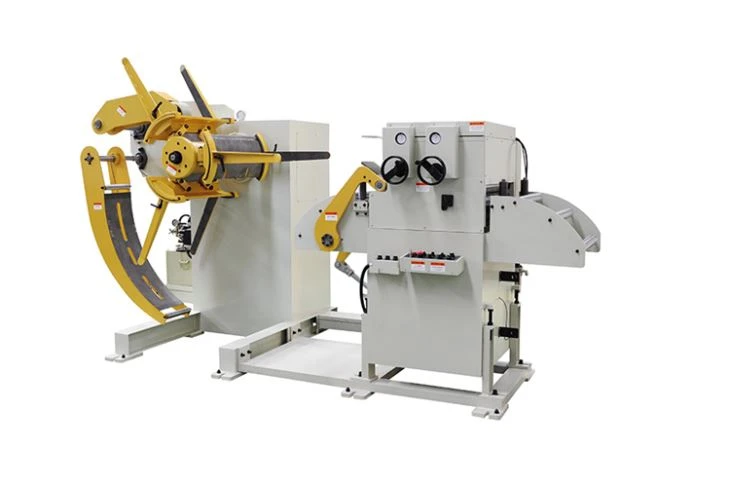
Before we discuss continuous production, it's crucial to understand what a reel straightener is and how it functions. A reel straightener is a machine designed to unwind coils of metal sheets or strips and straighten them. This is achieved through a series of rollers that apply pressure to the material, gradually removing the curvature and making it flat.
There are different types of reel straighteners available in the market, each with its own unique features and applications. For instance, the Space Saver Reel Straightener is designed to save floor space while still providing efficient straightening capabilities. It is ideal for smaller manufacturing facilities where space is at a premium.
The Thick Plate UNCoiler Leveler Machine is specifically engineered to handle thick metal plates. It has powerful motors and robust rollers that can withstand the high pressure required to straighten thick materials.
On the other hand, the Combination Coil Reel Straightener combines the functions of an uncoiler and a straightener in one unit. This type of machine is highly versatile and can be used for a wide range of materials and production requirements.
Capabilities of Reel Straighteners in Continuous Production
Reel straighteners are well - suited for continuous production for several reasons. Firstly, they are designed to operate at high speeds. Modern reel straighteners can unwind and straighten metal coils at a rate that can keep up with the demands of continuous production lines. This high - speed operation ensures that the production process is not interrupted, allowing for a seamless flow of materials.
Secondly, reel straighteners offer consistent performance. The rollers in a reel straightener are precisely calibrated to apply the same amount of pressure across the entire width of the metal strip. This results in a uniform straightening effect, ensuring that each piece of material meets the required quality standards. In a continuous production environment, consistency is key, as it reduces the likelihood of defects and rework.
Another advantage of using reel straighteners in continuous production is their ability to handle a variety of materials. Whether it's stainless steel, aluminum, or mild steel, reel straighteners can be adjusted to accommodate different types of metals and thicknesses. This flexibility allows manufacturers to use the same machine for multiple production runs, increasing the overall efficiency of the production line.
Limitations and Challenges
While reel straighteners are capable of continuous production, there are some limitations and challenges that need to be considered. One of the main challenges is the need for regular maintenance. The rollers in a reel straightener are subject to wear and tear over time, especially when operating at high speeds. If not properly maintained, the performance of the machine can deteriorate, leading to inconsistent straightening results and potential breakdowns.
Another limitation is the initial setup time. When switching between different coil sizes or materials, the reel straightener may need to be adjusted. This setup time can disrupt the continuous production process, especially if it is not managed efficiently. Manufacturers need to have a well - planned setup procedure in place to minimize the downtime associated with these changes.
In addition, reel straighteners may have limitations in terms of the maximum width and thickness of the metal coils they can handle. If the production requirements exceed the capabilities of the machine, it may not be suitable for continuous production. Therefore, it is essential to carefully select a reel straightener that can meet the specific needs of the production line.
Best Practices for Using Reel Straighteners in Continuous Production
To overcome the limitations and challenges mentioned above, there are several best practices that manufacturers can follow. Firstly, regular maintenance is crucial. This includes lubricating the rollers, checking the alignment of the machine, and replacing worn - out parts. By implementing a preventive maintenance schedule, manufacturers can ensure that the reel straightener operates at peak performance and minimize the risk of breakdowns.
Secondly, it is important to optimize the setup process. This can be achieved by using quick - change tooling and standardized setup procedures. By reducing the setup time, manufacturers can minimize the disruption to the continuous production process and increase the overall productivity of the line.
Another best practice is to train the operators properly. A well - trained operator can operate the reel straightener more efficiently, make adjustments as needed, and troubleshoot any issues that may arise. Training should cover topics such as machine operation, maintenance, and safety procedures.
Conclusion
In conclusion, a reel straightener can be used for continuous production, provided that the limitations and challenges are properly addressed. With their high - speed operation, consistent performance, and ability to handle a variety of materials, reel straighteners are an essential component of modern manufacturing lines.
As a reel straightener supplier, I understand the importance of providing high - quality machines and comprehensive support to our customers. If you are considering implementing a continuous production line or upgrading your existing equipment, I encourage you to contact us to discuss your specific requirements. Our team of experts can help you select the right reel straightener for your production needs and provide you with the necessary training and support to ensure a successful implementation.
References
- Metal Processing Handbook: Covers the principles and applications of reel straighteners in industrial production.
- Manufacturing Technology Journal: Contains research and case studies on the use of reel straighteners in continuous production environments.


