Hey there! I'm a supplier of Servo Feeder Machines, and today I wanna chat about the feeding precision improvement effect of a servo feeder machine after calibration. It's a topic that's super important for everyone in the manufacturing game, so let's dive right in.
Understanding Servo Feeder Machines
First off, let's get on the same page about what a servo feeder machine is. These machines are used in all sorts of manufacturing processes, especially when you're dealing with the continuous feeding of materials like metal coils. The key advantage of servo feeder machines is their ability to provide accurate and consistent feeding. How? Well, they use servo motors which can be precisely controlled. This control allows for variations in feed length, speed, and even acceleration and deceleration profiles.
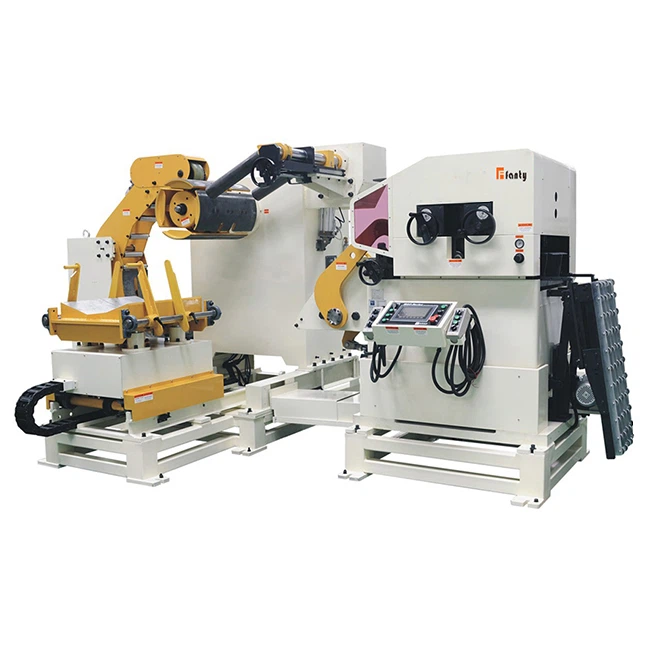
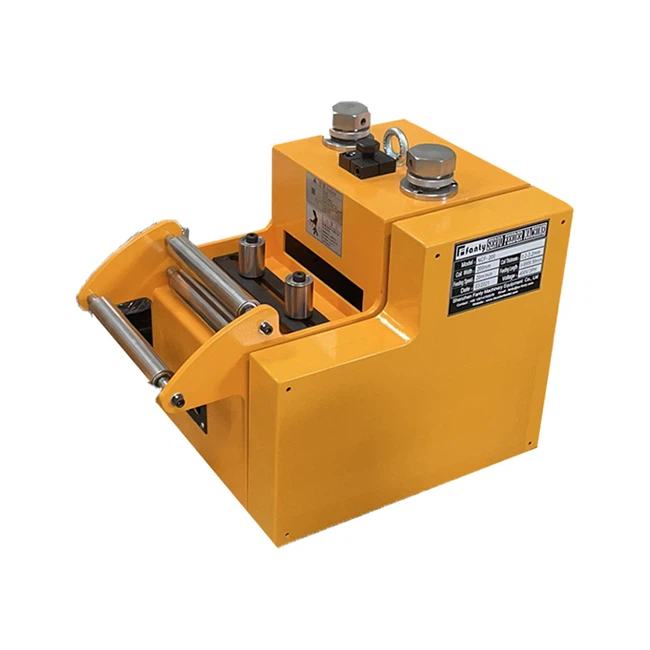
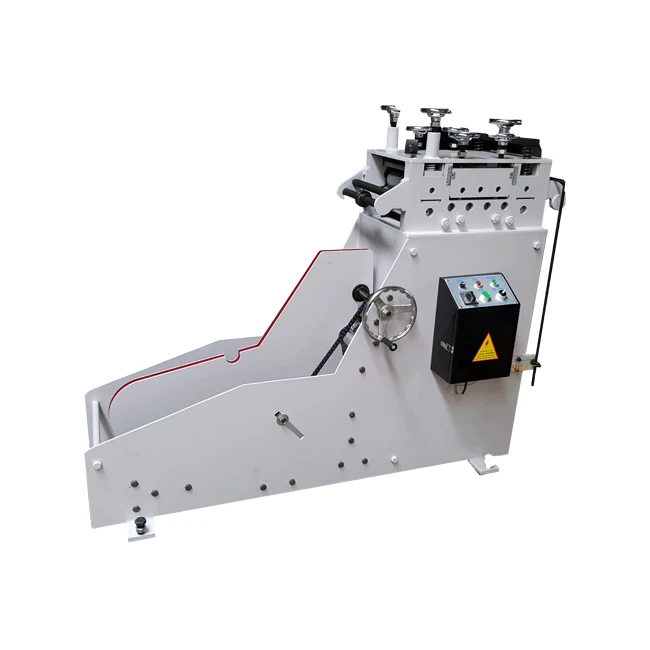
There are different types of servo feeder machines out there. For instance, you've got the NCF Servo Press Feeder Driven By Servo Motor. This one is great for press operations where the feeding needs to be synchronized with the press cycle. Then, there's the Coil Feeder Machine, specifically designed for handling coils. And the NC Servo Motor Steel Feeder Equipment is perfect for steel feeding applications where precision is crucial.
Why Calibration Matters
Alright, so here's the deal. Over time, like any machine, a servo feeder can start to lose its accuracy. This drift can happen due to wear and tear, changes in environmental conditions, or even minor electrical malfunctions. That's where calibration comes into play. Calibration is the process of adjusting the machine to ensure that it's operating according to the specified standards of accuracy.
When you calibrate a servo feeder machine, you're essentially fine - tuning its performance. You're making sure that the feed length matches what it's supposed to be, and that the speed is consistent. For example, in a high - volume stamping operation, even a tiny deviation in feed length can lead to defective parts. By calibrating the servo feeder, you can catch these issues early and prevent costly production errors.
Measuring the Feeding Precision Before Calibration
Before we talk about the improvement after calibration, we need to know where we're starting from. Measuring the feeding precision before calibration involves a few key steps. First, you'll need to define your measurement criteria. This could include the accuracy of the feed length, the repeatability of the feeding process, and the consistency of the feed speed.
To measure the feed length, you can use tools like precision rulers or advanced laser measurement devices. You'll run the machine through a series of feeding cycles and record the actual feed lengths. Then, you calculate the average feed length and compare it to the set value. If there's a significant difference, that's a sign that the machine needs calibration.
Repeatability is also crucial. You measure it by running multiple feeding cycles and checking if the feed lengths are the same each time. A high level of variation indicates poor precision. And for feed speed, you can use tachometers or speed sensors to monitor how fast the material is being fed.
The Improvement After Calibration
Once the servo feeder machine has been calibrated, you'll start to see some real improvements. One of the most noticeable changes is in the accuracy of the feed length. Calibration adjusts the servo motor's position control, which means that the machine can more accurately deliver the exact amount of material that you need. For example, if you set the feed length to be 100 mm, the calibrated machine will be much closer to this value than before calibration.
Repeatability also gets a big boost. After calibration, the machine becomes more stable, and you'll see fewer variations in the feed length across multiple cycles. This is crucial for maintaining the quality of the manufactured parts. If you're producing small - sized components, even a 0.1 mm difference in feed length can affect the fit and function of the final product.
Another area where you'll notice improvement is in the feed speed consistency. When the machine is calibrated, the servo motor is better able to maintain a constant speed. This is important for processes where a uniform speed is necessary, like in certain types of coating or printing operations.
Real - World Case Studies
Let me share a couple of real - world examples to give you a better idea of the impact of calibration. A manufacturing company that produces automotive parts was using a servo feeder machine to supply metal sheets to their stamping presses. They noticed that the parts were coming out with slightly different dimensions, which was causing assembly issues.
After performing a calibration on the servo feeder, they found that the feed length accuracy improved significantly. The variation in part dimensions was reduced from ±0.5 mm to ±0.1 mm. This not only improved the quality of the parts but also reduced the number of rejected products, which in turn saved them a lot of money.
In another case, a company that specializes in electronics manufacturing was having trouble with their coil feeding process. The feed speed was inconsistent, which was causing problems with the soldering and assembly of the circuit boards. After calibration, the feed speed variation was reduced by over 80%. This led to a much smoother production process and higher - quality final products.
Tips for Maintaining Feeding Precision
Calibration isn't a one - time thing. To keep your servo feeder machine operating at peak precision, you need to follow some maintenance tips. First of all, regular cleaning is essential. Dust, debris, and metal shavings can accumulate in the machine over time and affect its performance. Make sure to clean the feeding rollers, guides, and other moving parts on a regular basis.
Secondly, lubrication is key. Proper lubrication reduces friction between the moving parts, which helps to prevent wear and tear. Check the lubrication levels regularly and top them up as needed.
And of course, monitor the machine's performance continuously. Keep an eye on the feed length, speed, and repeatability. If you notice any changes or deviations, it might be time to perform another calibration.
Looking to the Future
As technology advances, servo feeder machines are getting even more sophisticated. We're seeing the integration of smart sensors and advanced control algorithms, which will make calibration and precision control even easier. These new technologies will be able to automatically detect any deviations in performance and make real - time adjustments.
In the future, we might also see more remote monitoring and calibration options. This means that you'll be able to calibrate your servo feeder machine from anywhere in the world, as long as you have an internet connection. This will save a lot of time and effort, especially for companies with multiple manufacturing locations.
Let's Talk Business!
So, if you're in the market for a high - precision servo feeder machine or if you need help with calibrating your existing machine, I'm here to assist. I've got a wide range of servo feeder machines, including the NCF Servo Press Feeder Driven By Servo Motor, Coil Feeder Machine, and NC Servo Motor Steel Feeder Equipment.


I can provide you with detailed product information, offer technical support, and help you find the best solution for your specific manufacturing needs. Don't hesitate to reach out if you want to learn more or start a procurement discussion. Let's work together to improve your production efficiency and the quality of your products.
References
- "Servo Feeder Technology and Applications" - Industry Manufacturing Journal
- "Precision Improvement in Material Feeding Processes" - Manufacturing Research Institute Report
- "Calibration Best Practices for Servo Machines" - Machine Tool Magazine