

Yo! As a provider of Servo Feeder Machines, I've gotten a bunch of questions about the feeding precision stability of these machines over time. So, I thought I'd break it down in this blog post.
Let's start with what a Servo Feeder Machine is. It's a key piece of equipment in industries that deal with metal sheets and coils, like the automotive, electronics, and appliance manufacturing sectors. These machines are designed to precisely feed materials to other processing equipment, such as presses and shears. The precision of this feeding process is crucial because it directly impacts the quality of the final product.

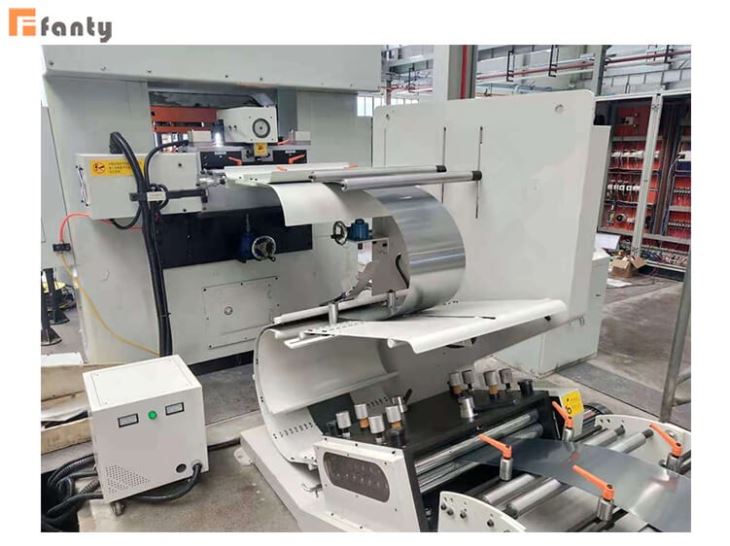
Now, when we talk about feeding precision stability over time, we're looking at how well the machine maintains its accuracy in feeding materials as it operates continuously or over an extended period. There are several factors that can affect this stability.
Factors Affecting Feeding Precision Stability
1. Mechanical Wear and Tear
Just like any other machine, Servo Feeder Machines experience mechanical wear and tear over time. The moving parts, such as the rollers, belts, and gears, are constantly in motion, and with each cycle, there's a small amount of friction and abrasion. This can gradually change the dimensions of these parts, which in turn can affect the feeding precision. For example, if the rollers start to wear unevenly, the material may not be fed smoothly or at the correct speed, leading to inaccuracies in the feeding length or position.
2. Electrical and Electronic Components
Servo Feeder Machines rely heavily on electrical and electronic components to control the feeding process. Things like servo motors, controllers, and sensors play a vital role in ensuring precise feeding. However, these components can also degrade over time. For instance, the servo motor may lose some of its torque or speed accuracy due to heat, electrical interference, or component aging. Similarly, sensors may become less sensitive, leading to incorrect feedback and adjustments in the feeding process.
3. Environmental Conditions
The environment in which the Servo Feeder Machine operates can also have a significant impact on its feeding precision stability. Temperature, humidity, and dust can all affect the performance of the machine. High temperatures can cause the expansion of mechanical parts, which can change the clearances between them and affect the feeding accuracy. Humidity can lead to corrosion of metal parts, while dust can accumulate on the sensors and other components, causing malfunctions.
4. Maintenance and Calibration
Proper maintenance and calibration are essential for maintaining the feeding precision stability of a Servo Feeder Machine. Regular lubrication of the moving parts can reduce friction and wear, while cleaning the sensors and other components can prevent dust and debris from affecting their performance. Additionally, periodic calibration of the machine ensures that it is operating within the specified accuracy limits. Without proper maintenance and calibration, the machine's feeding precision is likely to deteriorate over time.
Measuring Feeding Precision Stability
To assess the feeding precision stability of a Servo Feeder Machine over time, we typically use a combination of methods. One common approach is to measure the feeding length and position accuracy at regular intervals. This can be done using precision measuring tools, such as laser sensors or linear encoders. By comparing the measured values with the set values, we can determine the accuracy of the feeding process.
Another method is to analyze the data collected from the machine's sensors and controllers. This data can provide insights into the performance of the machine, such as the speed, torque, and position of the servo motor, as well as the feedback from the sensors. By monitoring these parameters over time, we can detect any trends or anomalies that may indicate a decrease in feeding precision stability.
Improving Feeding Precision Stability
As a Servo Feeder Machine supplier, we take several steps to improve the feeding precision stability of our machines.
1. High - Quality Components
We use high - quality mechanical, electrical, and electronic components in our machines. This includes precision - machined rollers, high - torque servo motors, and reliable sensors. By using high - quality components, we can reduce the impact of wear and tear and improve the overall reliability and precision of the machine.
2. Advanced Design
Our machines are designed with advanced features to enhance the feeding precision stability. For example, we use anti - vibration mounts to reduce the impact of external vibrations on the machine. We also incorporate self - diagnostic and self - adjusting systems that can detect and correct minor errors in the feeding process automatically.
3. Regular Maintenance and Support
We provide our customers with comprehensive maintenance and support services. This includes regular maintenance schedules, training on how to operate and maintain the machine properly, and quick - response technical support. By ensuring that our customers take good care of their machines, we can help them maintain the feeding precision stability over the long term.
Our Product Range
We offer a wide range of Servo Feeder Machines to meet the diverse needs of our customers. Some of our popular products include:
- Fast Servo Roll Feed For Metal Sheets: This machine is designed for high - speed feeding of metal sheets, with excellent precision and stability.
- Mechanical Or Pneumatic Release Way Servo Feeder: It offers flexibility in the release mechanism, allowing for different feeding requirements.
- NC Servo Roll Feeder: This feeder is controlled by a numerical control system, providing precise and programmable feeding.
Conclusion
The feeding precision stability of a Servo Feeder Machine over time is a critical factor that can significantly impact the quality and efficiency of the manufacturing process. By understanding the factors that affect this stability, measuring it accurately, and taking steps to improve it, we can ensure that our machines provide reliable and precise feeding for our customers.
If you're in the market for a Servo Feeder Machine or want to learn more about how to maintain the feeding precision stability of your existing machine, feel free to get in touch with us. We're here to help you make the right choice and keep your production running smoothly.
References
- Industrial Machinery Handbook
- Servo Motor and Control Systems: Principles and Applications


