

Hey there! As a supplier of reel straighteners, I've seen firsthand the importance of getting the best straightening performance. In this blog, I'm gonna share some tips and tricks on how to improve the straightening performance of a reel straightener.
Understanding the Basics of Reel Straighteners
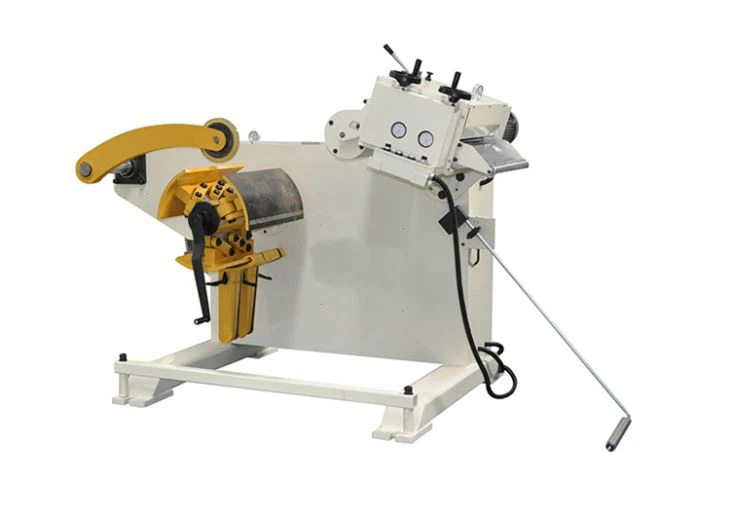
Before we dive into the tips, let's quickly go over what a reel straightener does. A reel straightener is a machine used to straighten coiled metal strips or sheets. It typically consists of a reel to hold the coil, a set of straightening rollers, and a drive system to move the material through the rollers.
There are different types of reel straighteners available in the market, such as the UNCoiler Machine and Straightener Machine, Combination Coil Reel Straightener, and Space Saver Reel Straightener. Each type has its own features and benefits, but the basic principle remains the same: to remove the coil set and make the material flat.
Tip 1: Choose the Right Reel Straightener
The first step in improving straightening performance is to choose the right reel straightener for your application. You need to consider factors such as the material type, thickness, width, and coil weight. For example, if you're working with thick and heavy coils, you'll need a more powerful reel straightener with larger rollers and a stronger drive system.
It's also important to choose a reel straightener from a reputable supplier. A good supplier will be able to provide you with the right machine for your needs and offer technical support and after-sales service.
Tip 2: Proper Installation and Setup
Once you've chosen the right reel straightener, it's crucial to install and set it up correctly. Make sure the machine is installed on a flat and stable surface and that it's properly aligned. Incorrect installation can lead to uneven straightening and premature wear of the rollers.
During the setup process, you need to adjust the roller gap and pressure according to the material thickness. The roller gap should be set slightly smaller than the material thickness to ensure proper straightening. You can use a feeler gauge to measure the gap and make the necessary adjustments.
Tip 3: Maintain the Reel Straightener Regularly
Regular maintenance is essential for keeping your reel straightener in good working condition and improving its straightening performance. Here are some maintenance tasks you should perform regularly:
- Clean the Rollers: The rollers can accumulate dirt, debris, and metal shavings over time, which can affect the straightening quality. Clean the rollers regularly using a clean cloth and a mild cleaning agent.
- Lubricate the Moving Parts: Lubrication helps reduce friction and wear on the moving parts of the reel straightener. Follow the manufacturer's recommendations for lubrication intervals and use the appropriate lubricant.
- Inspect the Belts and Chains: Check the belts and chains for signs of wear and tension. Replace them if they're worn out or loose to prevent slippage and ensure smooth operation.
- Check the Electrical System: Inspect the electrical system for any loose connections, damaged wires, or faulty components. Make sure the machine is properly grounded to prevent electrical hazards.
Tip 4: Optimize the Straightening Process
In addition to choosing the right machine, installing it correctly, and maintaining it regularly, you can also optimize the straightening process to improve performance. Here are some tips:
- Pre-Process the Material: If the material has a tight coil set or is heavily deformed, you may need to pre-process it before straightening. This can include using a decoiler or a leveler to remove some of the initial curvature.
- Adjust the Feed Speed: The feed speed of the material through the reel straightener can affect the straightening quality. If the feed speed is too fast, the material may not be properly straightened. On the other hand, if the feed speed is too slow, it can reduce productivity. Experiment with different feed speeds to find the optimal one for your application.
- Use the Right Roller Configuration: Some reel straighteners allow you to adjust the roller configuration to suit different material types and thicknesses. For example, you can use a different number of rollers or change the roller arrangement to achieve better straightening results.
Tip 5: Train Your Operators
Finally, don't underestimate the importance of training your operators. A well-trained operator will be able to operate the reel straightener correctly, make the necessary adjustments, and troubleshoot any problems that may arise.
Provide your operators with comprehensive training on the operation, maintenance, and safety procedures of the reel straightener. Make sure they understand the importance of following the manufacturer's instructions and using the machine properly.
Conclusion
Improving the straightening performance of a reel straightener requires a combination of choosing the right machine, proper installation and setup, regular maintenance, process optimization, and operator training. By following these tips, you can ensure that your reel straightener delivers high-quality straightening results and helps you increase productivity and reduce costs.

If you're in the market for a reel straightener or need help improving the performance of your existing machine, don't hesitate to contact us. We're here to help you find the right solution for your needs and provide you with the support you need to get the most out of your equipment.
References
- [Some relevant industry handbook on metal processing machinery]
- [Manufacturer's manual of the reel straightener]


