

Hey there! As a supplier of reel straighteners, I often get asked about the straightening ability of these machines, especially when it comes to materials with high density. So, let's dive right in and explore what the straightening ability of a reel straightener for high - density materials really means.
First off, what exactly are high - density materials? High - density materials typically have a greater mass per unit volume compared to regular materials. Metals like stainless steel, titanium, and some alloys fall into this category. These materials are commonly used in industries such as aerospace, automotive, and construction due to their strength and durability.
Now, the straightening ability of a reel straightener for high - density materials is crucial. When these materials are in coil form, they come with inherent bends, twists, and curves. A reel straightener's job is to eliminate these imperfections and deliver a flat, straight piece of material.
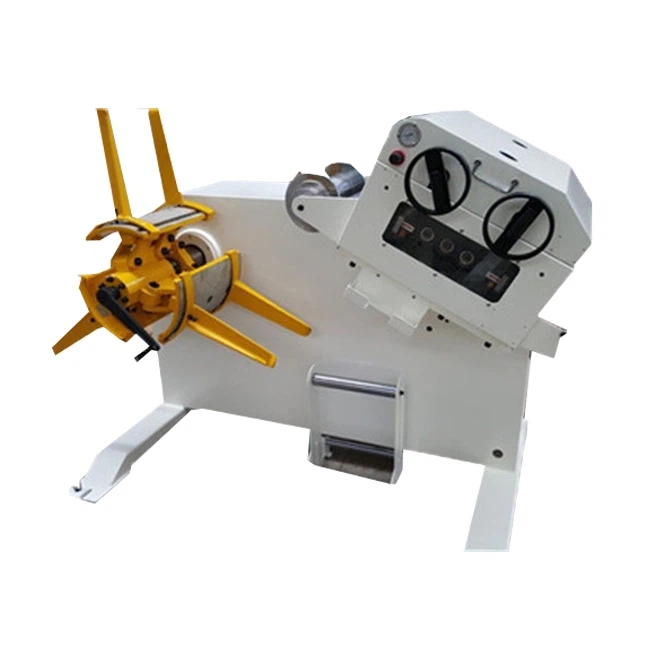
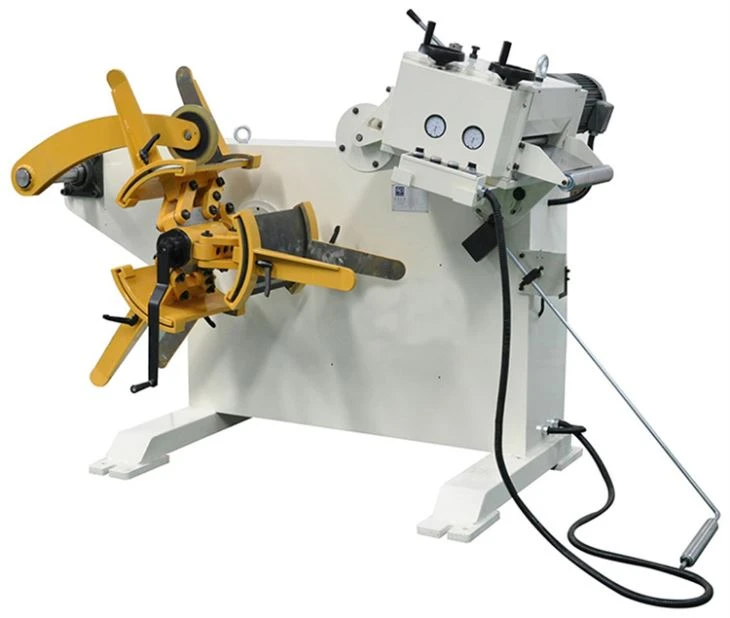
One of the key factors that determine the straightening ability is the design of the reel straightener. A well - designed reel straightener has a series of rollers arranged in a specific pattern. These rollers apply pressure to the material as it passes through the machine. For high - density materials, the rollers need to be made of high - strength materials themselves. Hardened steel or carbide rollers are often used because they can withstand the high pressure required to straighten the tough, dense materials without wearing out quickly.
The number of rollers also plays a significant role. More rollers generally mean more points of contact with the material, which allows for more precise straightening. For high - density materials, a reel straightener with a larger number of rollers can distribute the pressure more evenly across the material, reducing the risk of over - stressing any one area and causing damage.
Another important aspect is the adjustment mechanism. A good reel straightener should have an easy - to - use adjustment system. This is essential because different high - density materials may require different levels of pressure and roller settings. For example, a thick stainless - steel coil may need more pressure than a thinner titanium coil. With a proper adjustment mechanism, operators can fine - tune the straightening process to achieve the best results for each specific material.
Let's talk about some of the reel straighteners we offer. The Space Saver Reel Straightener is a great option. It's designed for applications where space is limited, but it doesn't compromise on performance. Despite its compact size, it has a powerful straightening ability for high - density materials. The rollers are carefully engineered to provide the right amount of pressure, and the adjustment system is intuitive, making it easy for operators to get the job done.
The Automatic Coil Reel Straightener is another excellent choice. As the name suggests, it offers automatic operation, which can increase efficiency, especially when dealing with large volumes of high - density materials. It has advanced sensors that can detect the thickness and density of the material and adjust the straightening parameters automatically. This ensures consistent and accurate straightening results every time.
Our Metal Straightener Equipment is a versatile option that can handle a wide range of high - density materials. It's built with a robust frame and high - quality components, making it suitable for heavy - duty industrial applications. Whether you're working with thick alloy sheets or thin metal strips, this equipment can deliver reliable straightening performance.
The power source of the reel straightener is also a factor. Electric - powered reel straighteners are popular because they offer consistent power and are relatively easy to maintain. They can provide the high torque needed to straighten high - density materials smoothly. Hydraulic - powered reel straighteners, on the other hand, can generate even more force, which is beneficial for extremely dense and thick materials.
The speed at which the material passes through the reel straightener is also important. For high - density materials, a slower speed may be required to ensure proper straightening. This allows the rollers to have more time to apply the necessary pressure and correct any imperfections. However, the straightener should also be able to handle different speeds depending on the production requirements.
In addition to the mechanical aspects, modern reel straighteners often come with advanced control systems. These systems can monitor the straightening process in real - time. They can detect any irregularities in the material, such as uneven thickness or unexpected bends, and make automatic adjustments to the straightening parameters. This not only improves the quality of the straightened material but also reduces the need for manual intervention.
When it comes to high - density materials, the straightening ability of a reel straightener can also be affected by the pre - treatment of the material. If the material has been previously bent or deformed in an uneven way, it may be more challenging to straighten. In some cases, pre - heating the material can make it more malleable, which can improve the straightening process. However, this needs to be done carefully because over - heating can change the properties of the high - density material.
The straightening ability of a reel straightener for high - density materials is a complex combination of design, components, adjustment mechanisms, and control systems. A well - designed and properly maintained reel straightener can transform coiled high - density materials into straight, usable products, meeting the strict quality requirements of various industries.
If you're in the market for a reel straightener to handle high - density materials, we'd love to have a chat with you. Our team of experts can help you choose the right reel straightener based on your specific needs, whether it's for a small - scale workshop or a large - scale industrial operation. Contact us to start the procurement process and get the best reel straightener for your business.
References
- ASM Handbook, Volume 6: Welding, Brazing, and Soldering, ASM International
- Manufacturing Engineering Handbook, McGraw - Hill Education


