Can a Servo Feeder Machine work in a dusty environment?


Hey there! As a supplier of servo feeder machines, I get asked this question a lot: Can a servo feeder machine work in a dusty environment? Well, let's dive into this topic and find out.
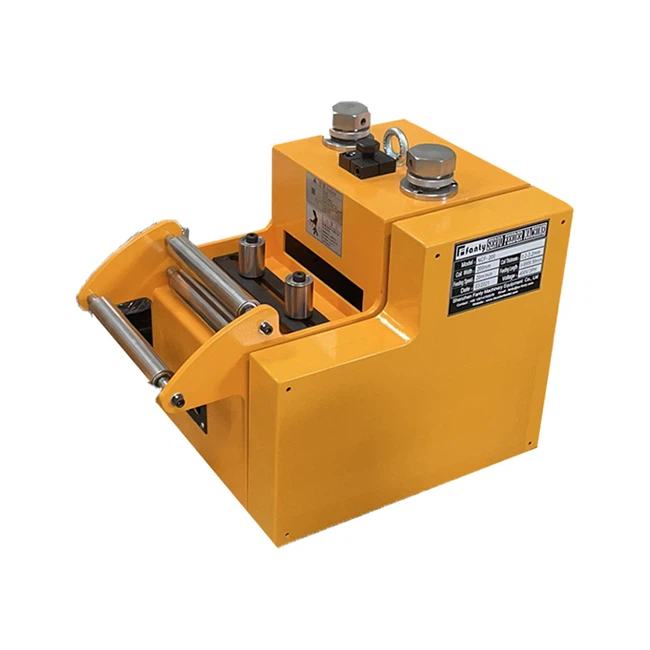
First off, what exactly is a servo feeder machine? A servo feeder is a crucial piece of equipment used in various industries, especially in metalworking. It precisely controls the feeding of materials like metal sheets and coils into presses or other processing machines. Our company offers a range of high - quality servo feeder machines, such as the Fast Servo Roll Feed For Metal Sheets and Performance High Speed Roll Feeds System. These machines are designed to provide accurate and efficient material feeding, which can significantly boost productivity.
Now, coming back to the main question. Can a servo feeder work in a dusty environment? The short answer is yes, but with some challenges. Dusty environments are common in industries like mining, construction, and certain manufacturing processes. In these settings, dust can have a significant impact on the performance and lifespan of any machinery, including servo feeder machines.
One of the main issues that dust can cause is wear and tear. Dust particles are often abrasive. When they get into the moving parts of a servo feeder, like the gears, bearings, and rollers, they can cause increased friction. Over time, this friction can lead to premature wear of these components. For example, if dust accumulates on the bearings of the feeder, it can make the rotation of the feeding rollers less smooth. This not only affects the accuracy of the material feeding but can also lead to mechanical failures if not addressed.
Another problem is related to the electrical components of the servo feeder. Dust is a poor conductor of electricity, but it can still cause problems. When dust accumulates on circuit boards and electrical connectors, it can create a layer of insulation. This can interfere with the proper flow of electricity, leading to malfunctions, short - circuits, or even electrical failures. For instance, if a small amount of dust causes a poor connection in a control circuit, it might result in incorrect feeding signals being sent to the machine, causing inaccurate material feeding or even complete stoppages.
However, just because there are challenges doesn't mean it's impossible to use a servo feeder in a dusty environment. Here are some strategies we recommend to make it work:
Dust Protection
The most obvious solution is to protect the servo feeder from dust. This can be done through various means. One option is to install enclosures around the machine. These enclosures can be made of materials like metal or plastic and are designed to keep dust out. They need to be well - sealed, with gaskets around doors and access points to prevent dust from getting inside.
Another way is to use air - filtration systems. These systems can be attached to the machine or placed in the surrounding area. Air filters can effectively trap dust particles before they reach the sensitive parts of the servo feeder. For example, HEPA (High - Efficiency Particulate Air) filters are very efficient at removing small dust particles from the air.
Regular Maintenance
Regular maintenance is crucial when operating a servo feeder in a dusty environment. This includes frequent cleaning of the machine. You should use compressed air to blow out dust from all the accessible parts of the feeder, especially the areas around the moving components and electrical connections.
In addition to cleaning, you need to perform lubrication on a regular basis. Lubricants can help reduce the friction caused by dust particles on the moving parts. Make sure to use the right type of lubricant recommended by the machine's manufacturer.
It's also important to conduct regular inspections. Check for signs of wear, such as loose fittings, abnormal noises, or increased vibration. If you notice any issues, address them promptly to prevent further damage.
Component Selection
When choosing a servo feeder for a dusty environment, pay attention to the quality of the components. Opt for feeders with high - quality bearings and gears that are more resistant to wear. For example, our Press Servo Feeder Equipment For 0.3 - 3.2mm Thickness is built with durable components that can withstand harsh working conditions, including dusty environments to a certain extent.
In conclusion, while a servo feeder machine can work in a dusty environment, it requires proper precautions and maintenance. With the right approach, you can ensure that your servo feeder continues to operate efficiently and accurately, even in the presence of dust.
If you're interested in our servo feeder machines and want to discuss how they can work in your specific dusty environment, don't hesitate to reach out. We're here to help you find the best solution for your material feeding needs.
References
- General knowledge of industrial machinery operation and maintenance in dusty environments.
- Manufacturer's guidelines for servo feeder machines regarding operation in harsh conditions.