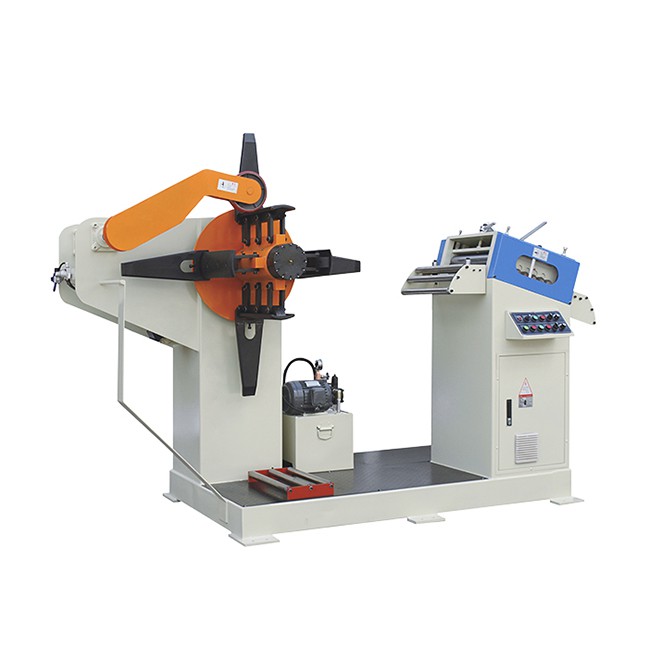
Noise reduction technology in pneumatic feeder machines is a crucial aspect that not only enhances the working environment but also improves the overall efficiency and durability of the equipment. As a leading supplier of pneumatic feeder machines, we understand the significance of this technology and are committed to providing high - quality solutions.


Understanding the Noise in Pneumatic Feeder Machines
Pneumatic feeder machines operate based on the principles of air pressure. When compressed air is released and flows through various components such as valves, cylinders, and pipes, it creates different types of noise. The main sources of noise in these machines include:
- Airflow Turbulence: As air moves through narrow passages or around sharp edges in the pneumatic system, it forms turbulent flows. These turbulent airflows generate noise, which can range from a low - pitched hum to a high - pitched screech depending on the speed and intensity of the airflow.
- Valve Operation: Solenoid valves and other types of valves in the pneumatic feeder are essential for controlling the air supply. However, when these valves open and close rapidly, they produce noise due to the sudden change in air pressure and the mechanical impact of the valve components.
- Mechanical Vibration: The movement of mechanical parts in the feeder, such as gears, cams, and cylinders, can also cause vibration. These vibrations are transferred to the machine's frame and other components, resulting in audible noise.
The Importance of Noise Reduction
Excessive noise in a manufacturing environment can have several negative impacts:
- Worker Health and Safety: Prolonged exposure to high - level noise can lead to hearing loss, stress, and other health problems among workers. By reducing the noise levels in pneumatic feeder machines, we can create a safer and more comfortable work environment, which in turn increases productivity and reduces the risk of accidents.
- Neighboring Areas: Noise from manufacturing facilities can also affect neighboring communities. Implementing noise reduction technology helps to minimize the impact on the surrounding environment, ensuring compliance with local noise regulations.
- Machine Performance and Longevity: High - frequency noise and vibration can cause wear and tear on the machine's components over time. By reducing noise, we can also reduce the mechanical stress on the parts, improving the overall performance and extending the lifespan of the pneumatic feeder machine.
Noise Reduction Technologies Applied in Pneumatic Feeder Machines
Silencers
Silencers are one of the most common noise reduction devices used in pneumatic systems. They work by absorbing and dissipating the sound energy produced by the airflow.
- Poron Silencers: These silencers are made of porous materials that allow the air to pass through while absorbing the sound waves. The porous structure of the material creates a series of small chambers that disrupt the sound waves, reducing their intensity.
- Expansion Chamber Silencers: Expansion chamber silencers work by creating a sudden expansion in the airflow path. This expansion reduces the speed of the airflow and changes its direction, which in turn reduces the noise generated by the turbulent airflow.
Anti - Vibration Mounts
Anti - vibration mounts are used to isolate the pneumatic feeder machine from the ground or other surfaces. These mounts are typically made of rubber or other elastic materials that absorb the vibrations generated by the machine. By reducing the transmission of vibrations to the surrounding environment, anti - vibration mounts can significantly reduce the noise level.
- Natural Rubber Mounts: Natural rubber has excellent damping properties, which means it can effectively absorb and dissipate vibrational energy. It is a cost - effective option for many pneumatic feeder machines.
- Synthetic Rubber Mounts: Synthetic rubber mounts, such as neoprene and nitrile rubber, offer better resistance to oil, heat, and chemical substances. They are suitable for more demanding industrial environments.
Improved Valve Design
Valve design plays a crucial role in reducing the noise generated by the pneumatic system. Modern valve designs focus on minimizing the sudden changes in air pressure and the mechanical impact during valve operation.
- Slow - Opening and Closing Valves: These valves are designed to open and close gradually, which reduces the noise caused by the sudden release or blockage of air pressure. They also help to prevent the formation of water hammers in the pneumatic system, which can cause additional noise and damage.
- Low - Noise Solenoid Valves: Some solenoid valves are specifically designed to operate with minimal noise. They use advanced electromagnetic technology and optimized valve structures to reduce the mechanical noise during valve switching.
Enclosures
Enclosures can provide an effective way to contain the noise generated by the pneumatic feeder machine. A well - designed enclosure can reduce the noise level by up to 20 - 30 decibels.
- Acoustic Enclosures: These enclosures are made of sound - absorbing materials, such as fiberglass or acoustic foam. They are designed to absorb and reflect the sound waves, preventing them from escaping into the surrounding environment.
- Ventilated Enclosures: To prevent overheating of the machine, ventilated enclosures are often used. These enclosures have specially designed vents that allow the air to circulate while minimizing the noise leakage.
Our Pneumatic Feeder Machines with Noise Reduction Technology
As a supplier, we offer a wide range of pneumatic feeder machines that incorporate advanced noise reduction technology.
- The Air Feeder Machine with Solenoid Valve is equipped with low - noise solenoid valves and anti - vibration mounts. This combination significantly reduces the noise generated during operation, providing a quiet working environment.
- Our Automatic Air Feeder Machine features a well - designed enclosure made of acoustic materials. It effectively contains the noise within the machine, ensuring that the surrounding area remains relatively quiet.
- The Metal Strip Air Feeds use expansion chamber silencers and slow - opening valves to reduce the noise caused by airflow and valve operation. This makes them ideal for metal processing applications where noise reduction is a priority.
Conclusion
Noise reduction technology in pneumatic feeder machines is an essential consideration for modern manufacturing facilities. By understanding the sources of noise and applying appropriate noise reduction methods, we can create a quieter, safer, and more efficient working environment. Our company is dedicated to providing high - quality pneumatic feeder machines with advanced noise reduction technology. If you are interested in our products or have any questions about noise reduction in pneumatic feeder machines, please feel free to contact us for a detailed discussion and procurement negotiation.
References
- "Pneumatic Systems Handbook"
- "Industrial Noise Control and Acoustics"
- "Advances in Noise Reduction Technologies for Manufacturing Equipment"