Can 2 In 1 Feedlines be used in automotive electronics?
In the highly competitive and technologically advanced field of automotive electronics, the need for efficient, reliable, and cost - effective components is more pressing than ever. As a dedicated supplier of 2 In 1 Feedlines, I've often been asked about the potential applications of these products in automotive electronics. In this blog post, I'll explore the feasibility and benefits of using 2 In 1 Feedlines in automotive electronics.
Understanding 2 In 1 Feedlines
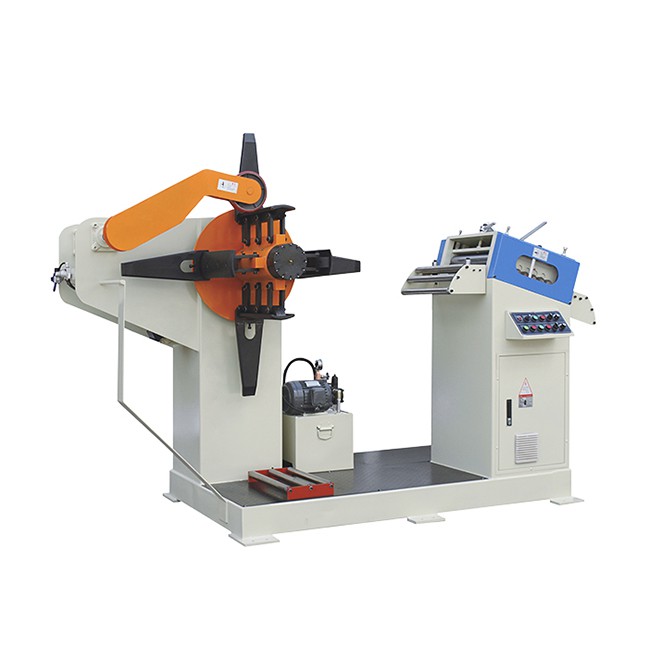
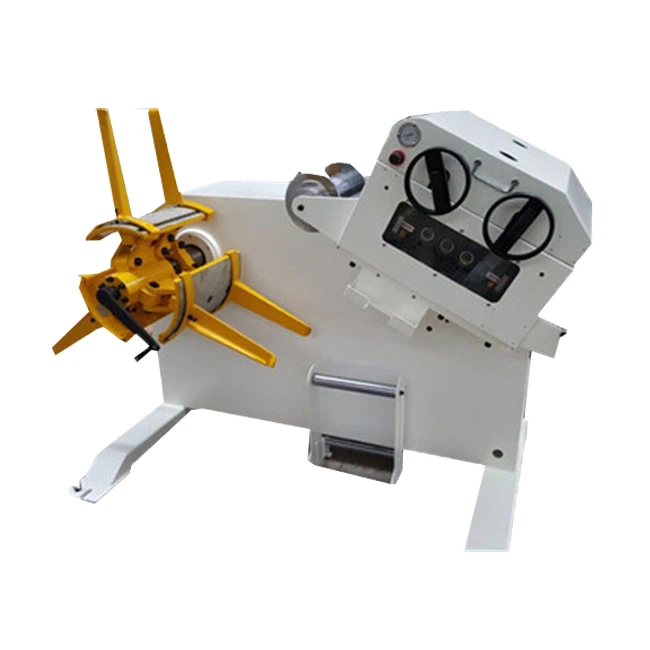
2 In 1 Feedlines are innovative devices that integrate two essential functions into one unit. Typically, they combine the capabilities of material uncoiling and straightening. For instance, in a manufacturing process, a Straightener Uncoilers Machine 2 in 1 can take a coiled strip of metal or other materials and simultaneously uncoil it while straightening it, streamlining the production process.
The 2 in 1 De - coiler With Straightener is another example. This machine is designed to handle the de - coiling of wire or strip materials and then straighten them accurately. Similarly, the Precision Uncoiler Straightener offers high - precision uncoiling and straightening operations, which are crucial for applications that demand strict quality control.
Requirements in Automotive Electronics
Automotive electronics encompass a wide range of systems, from engine control units (ECUs) to infotainment and driver - assistance systems. These systems rely on the use of various electronic components such as printed circuit boards (PCBs), connectors, and sensors. The manufacturing of these components requires high - precision processes to ensure their proper functioning and reliability.
One of the key requirements in automotive electronics manufacturing is the use of high - quality materials in the correct form. For example, when manufacturing connectors, a straight and properly prepared wire is necessary for accurate assembly. Also, the production speed needs to be optimized to meet the high - volume demands of the automotive industry. Additionally, the overall production process should minimize waste and ensure cost - effectiveness.


Feasibility of Using 2 In 1 Feedlines in Automotive Electronics
- Material Preparation: 2 In 1 Feedlines can play a vital role in material preparation for automotive electronics. In the production of components like PCBs and connectors, wires or metal strips often need to be sourced in coiled forms due to transportation and storage convenience. The 2 In 1 Feedlines can quickly and accurately uncoil and straighten these materials, providing a continuous and properly prepared feedstock for the subsequent manufacturing processes. For example, the high - precision straightening function ensures that the wires are straight enough for precise soldering or insertion into connectors, which is crucial for the electrical performance and mechanical stability of the final products.
- Process Efficiency: By integrating the uncoiling and straightening functions into one machine, 2 In 1 Feedlines can significantly improve the overall process efficiency in automotive electronics manufacturing. Instead of using separate uncoiling and straightening machines, which may require additional handling and setup time, a single 2 In 1 Feedline can perform both tasks in a continuous manner. This not only reduces the production cycle time but also decreases the likelihood of errors that may occur during the transfer between different machines. As a result, the production capacity can be increased, and the overall cost per unit can be reduced.
- Quality Control: The precision offered by 2 In 1 Feedlines, such as the Precision Uncoiler Straightener, is beneficial for quality control in automotive electronics. In automotive applications, the reliability of electronic components is of utmost importance. Any deviation in the straightness or tension of the materials used in the manufacturing process can lead to faulty connections, signal interference, or mechanical failures. The 2 In 1 Feedlines can maintain consistent straightening and uncoiling parameters, ensuring that the materials meet the strict quality standards required in the automotive industry.
Benefits of 2 In 1 Feedlines in Automotive Electronics
- Cost Savings: As mentioned earlier, the integration of functions in 2 In 1 Feedlines can lead to cost savings. Fewer machines mean lower capital investment, reduced floor space requirements, and less maintenance. Additionally, the improved process efficiency results in higher production volumes with the same or lower labor costs, further reducing the overall cost per component.
- Space Optimization: In automotive electronics manufacturing facilities, space is often at a premium. The use of 2 In 1 Feedlines allows for better space utilization as they take up less floor space compared to separate uncoiling and straightening machines. This can free up valuable space for other production equipment or storage areas, improving the overall layout and workflow of the manufacturing plant.
- Enhanced Product Quality: By providing accurately straightened and uncoiled materials, 2 In 1 Feedlines contribute to the production of high - quality automotive electronic components. Higher quality components translate into fewer product failures, reduced warranty claims, and improved customer satisfaction, which are all essential factors in the highly competitive automotive market.
Challenges and Considerations
While the use of 2 In 1 Feedlines in automotive electronics has many advantages, there are also some challenges and considerations.
- Material Compatibility: Different automotive electronic components may require different types of materials, such as copper, aluminum, or special alloys. The 2 In 1 Feedlines need to be able to handle these various materials effectively. Some materials may have unique properties, such as high ductility or hardness, which may require specific adjustments to the uncoiling and straightening parameters.
- Automation Integration: In modern automotive electronics manufacturing, automation is a key trend. The 2 In 1 Feedlines need to be easily integrated into automated production lines. This requires the machines to have appropriate interfaces and control systems to communicate with other equipment in the line, such as pick - and - place robots or soldering machines.
- Regulatory Compliance: The automotive industry is subject to strict regulatory requirements, especially in terms of safety and environmental standards. The 2 In 1 Feedlines used in automotive electronics manufacturing need to comply with these regulations, such as ensuring that they do not generate excessive noise, dust, or other pollutants during operation.
In conclusion, 2 In 1 Feedlines have great potential for use in automotive electronics. Their ability to streamline material preparation, improve process efficiency, and enhance product quality makes them a valuable asset in the manufacturing of automotive electronic components. However, it is important to carefully consider the challenges and ensure proper compatibility and integration with existing production processes.
If you are in the automotive electronics manufacturing industry and are interested in exploring the use of 2 In 1 Feedlines for your production needs, I encourage you to reach out. We can have a detailed discussion on how our high - quality 2 In 1 Feedlines can be tailored to your specific requirements and help you achieve greater efficiency and productivity in your manufacturing operations.
References
- "Automotive Electronics Handbook", by Günter Spangler, McGraw - Hill Professional, 2011.
- "Advanced Manufacturing Technologies for Electronics", by John G. Bralla, CRC Press, 2015.